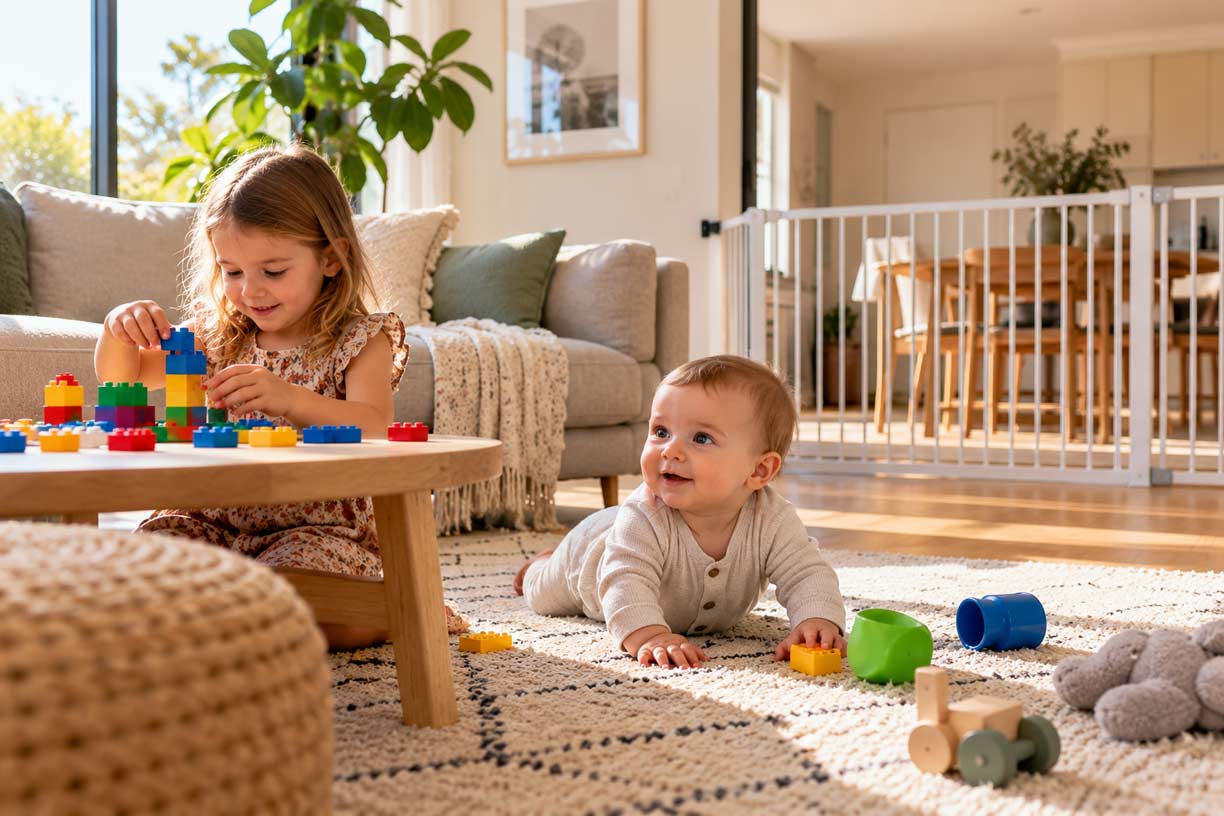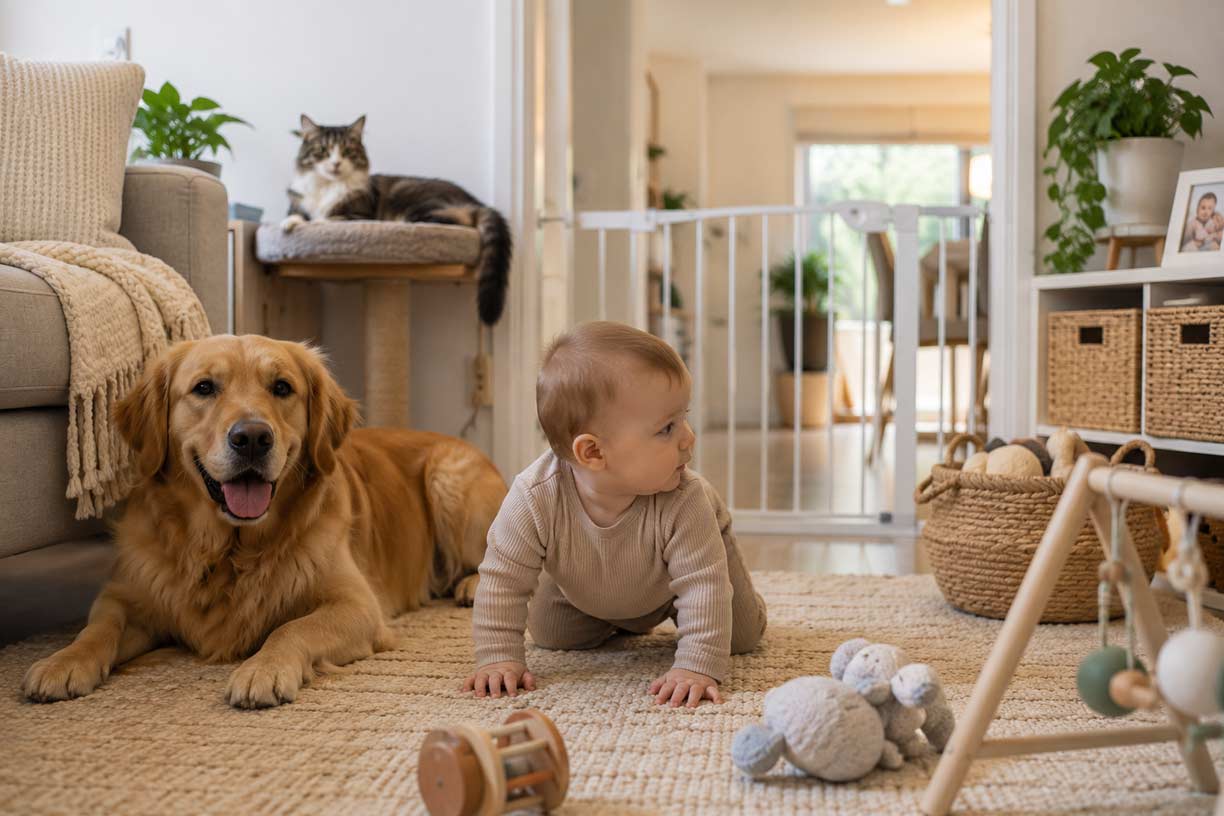

Walk into any baby store and you will find a wall of gates that all look much the same. The difference only shows once a gate is in your home: one that rattles loose in a doorway, one with a bottom bar at the top of the stairs, or one that will not fit the banister you have. After installing gates in homes across Sydney, we have found the right choice comes down to six questions. Answer them before you buy and you will end up with a gate that fits, stays put and keeps your child safe.
As a DreamBaby Recommended Baby Safety Installer and winner of the INPAA 2025 Tried and True Service Award, these are the same questions our installers work through on every job.
1. Where Will the Gate Go?
Location decides almost everything else. A gate at the top of the stairs has a different job to a gate across the kitchen doorway, and a gate fencing off the living room from the dog has a different job again. Write down every spot you want to block before you shop, because most families need more than one gate and the right type often differs from room to room.
Common locations include the top and bottom of the stairs, kitchen and laundry doorways, hallways leading to bedrooms, and open plan areas where you want a safe play zone. Our baby gate installation service covers all of these, and we usually recommend gates for a whole home in a single visit.
2. How Wide Is the Opening?
Measure the width at the top and the bottom of the opening, as walls, door frames and skirting boards are rarely perfectly straight. Most standard gates fit openings of roughly 75 to 100cm, with extensions available for wider spaces. Beyond that, extensions start to weaken the gate, and a different design is the safer choice.
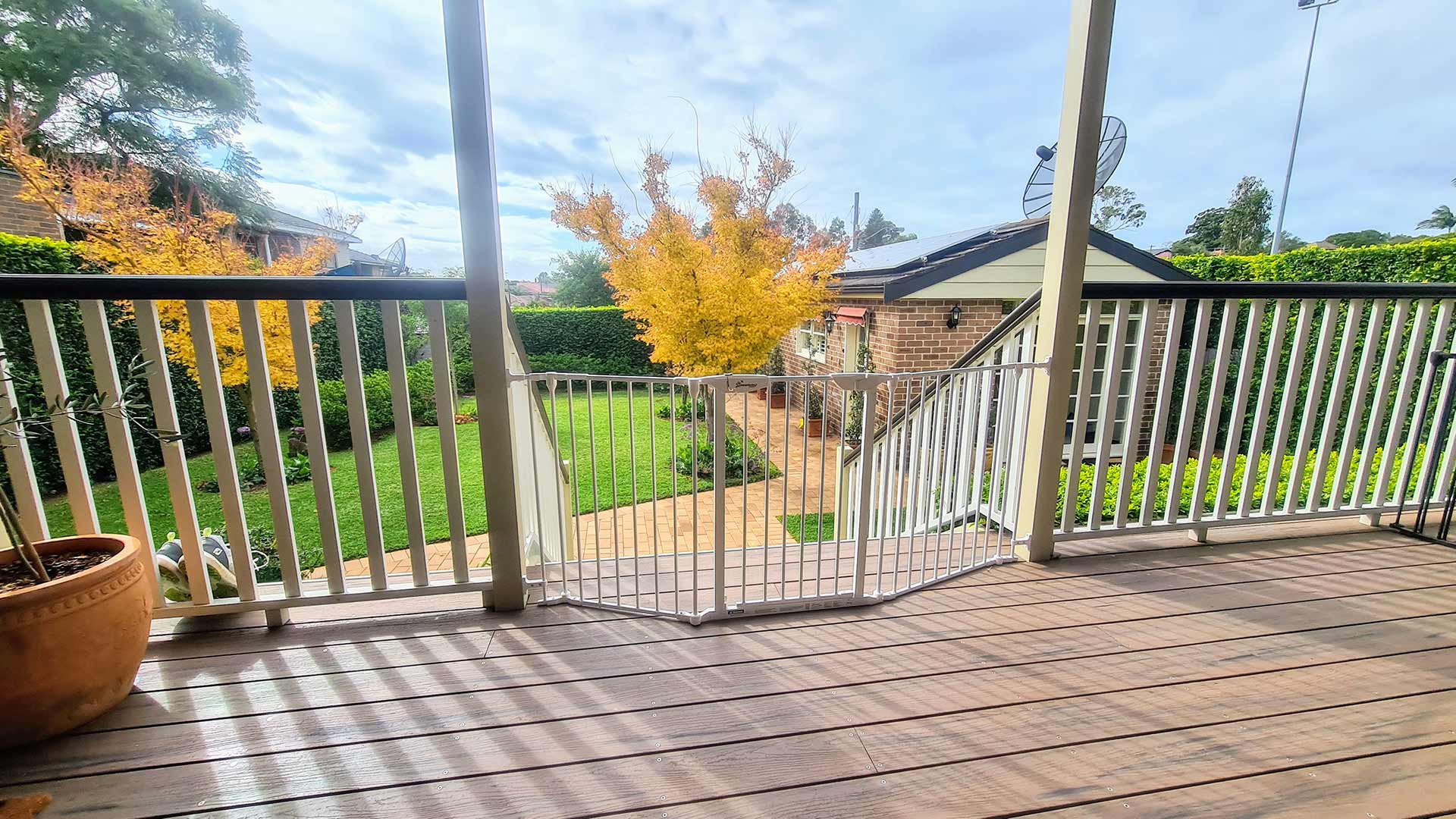
For wide or unusual openings, a mesh retractable gate can span up to 1.4 metres and rolls away when not in use, while a 3 in 1 gate can be configured as a barrier, a play yard or a long run across an open plan room.
3. What Will You Attach It To?
This is the question most parents skip, and it is the one that causes the most problems. A wall mounted gate is only as strong as what it is screwed into. Plasterboard needs a stud or a proper fixing, brick and masonry need the right anchors, and timber posts and banisters need mounting kits so the gate does not damage or loosen them.
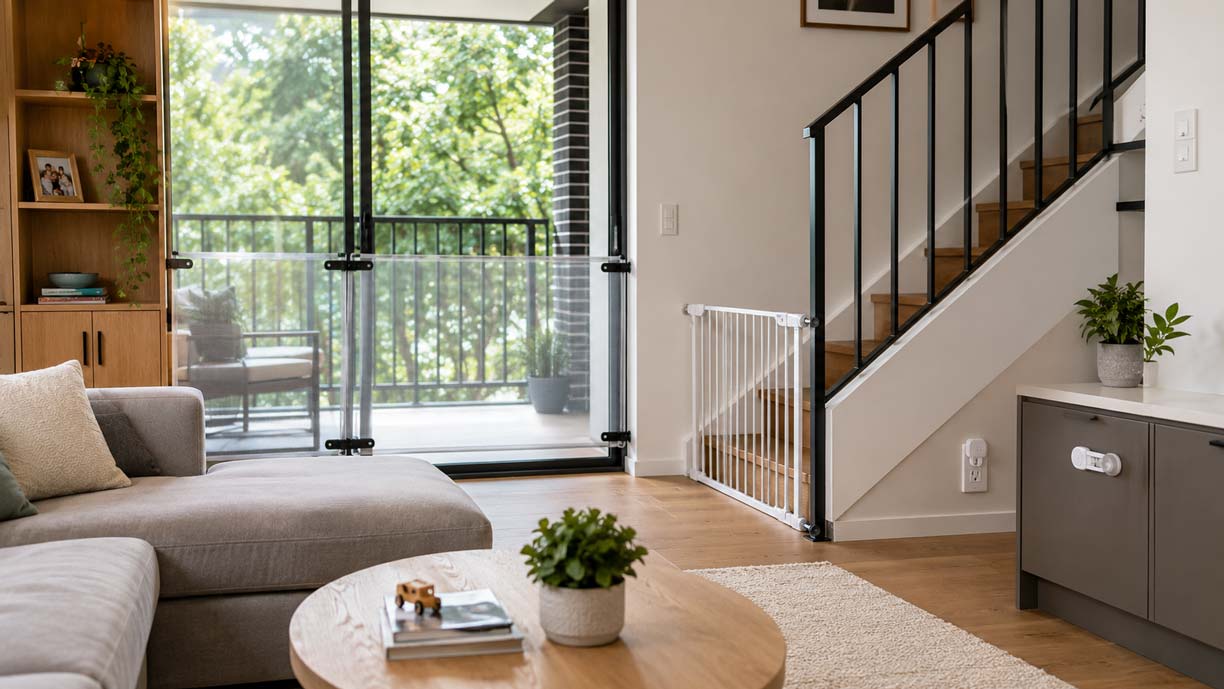
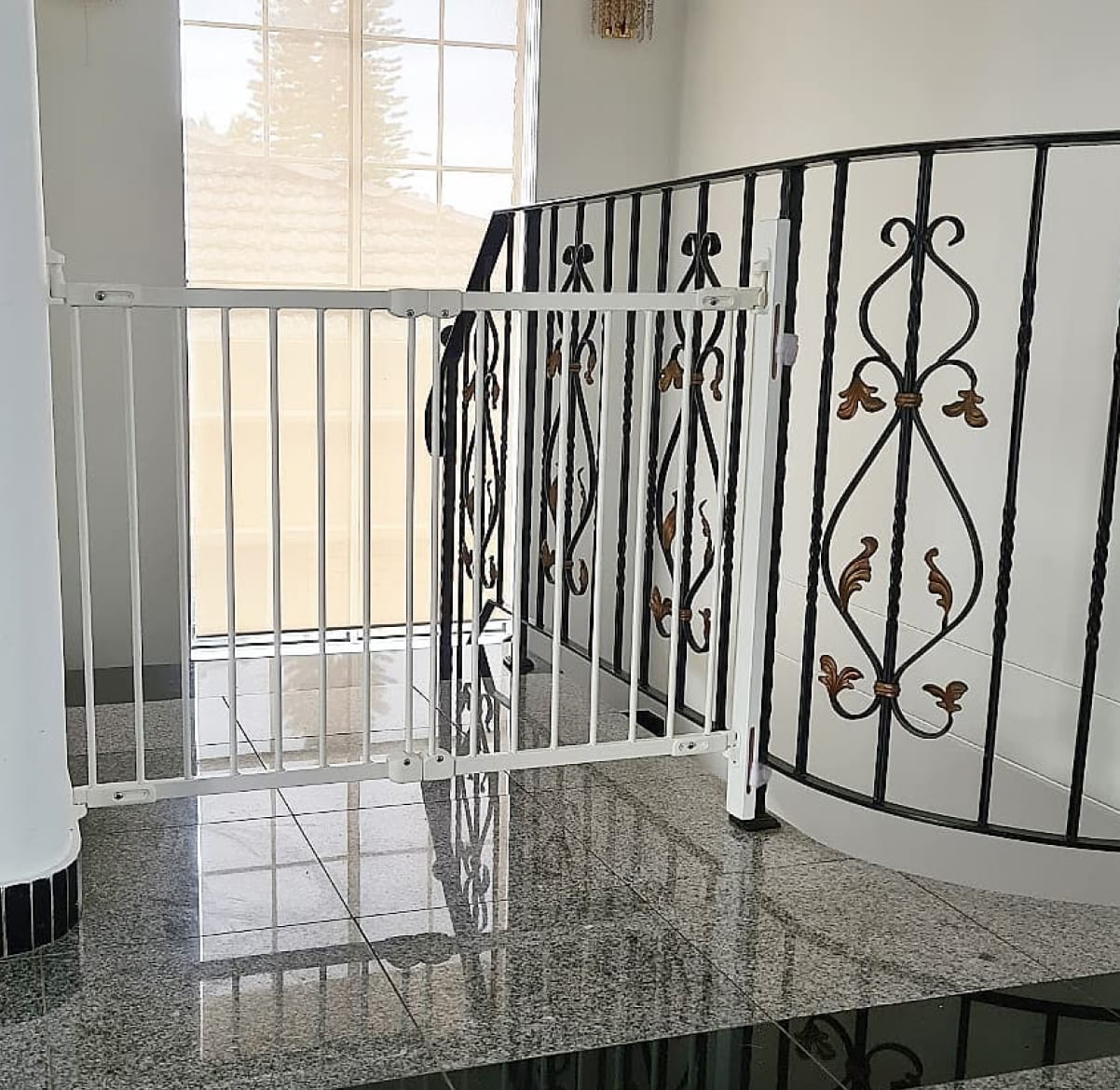
Stairs without a wall on one side are one of the most common challenges we see. Curved wrought iron balustrades, round newel posts and glass balustrades all need a different approach. In many Sydney homes the answer is a mounting adaptor, a custom post, or a Perspex barrier that closes the gaps in a balustrade before the gate is fitted alongside it.
4. Is It the Top of the Stairs?
If the answer is yes, the decision is made for you: use a wall mounted gate, never a pressure mounted one. Pressure gates rely on tension and can be pushed out by a determined toddler, and their bottom bar is a trip hazard for adults carrying a baby down the stairs.
A top of stairs gate should have no bottom bar, should swing away from the stairs rather than over them, and should have a latch your child cannot work out. The Flexi Fit Baby Gate is a popular choice here because it mounts securely, swings in one direction only and suits angled installations. For more on the mistakes we fix most often, read why the right baby gate matters.

5. Is the Opening on an Angle or Uneven?
Not every opening is a neat rectangle. Stairs that meet the hallway at an angle, openings where one side is a wall and the other a banister, and spaces with skirting boards of different depths all make a standard gate sit crooked. A gate that is not square to the opening will not latch properly, which defeats its purpose.
Some gates include angle mounting hardware, and where nothing off the shelf fits, a custom baby gate is made to measure for the space. Custom gates are also a good option for very wide openings, period homes and outdoor areas.
6. Are You Renting?
Renters in NSW can still install a wall mounted gate. Installing child safety gates indoors is on the NSW Government list of minor changes a landlord cannot unreasonably refuse, though you still need to ask for written permission first. You will usually be responsible for patching and painting any holes when you move out.
Pressure mounted gates are not a better option for rentals. Over time they can mark paintwork and door frames, and they are not safe at the top of the stairs. Our guide to baby proofing a rental in NSW covers what to ask your landlord and how to keep any changes minor.
What Features Should a Safe Baby Gate Have?
Whatever type you choose, a few features separate a good gate from a frustrating one. Check for these before you buy:
- A latch your toddler cannot open, but you can operate with one hand while carrying a baby.
- Vertical bars or a solid mesh panel, with no horizontal rails or gaps that make a foothold for climbing.
- A self closing or auto locking door for busy doorways, so the gate is never accidentally left open.
- A one way swing stop for any gate near stairs, so it can never open out over the steps.
- Sturdy mounting hardware that matches your walls, posts or banisters, rather than a one size fits all kit.
A gate that is awkward to use tends to get left open, which is when accidents happen. Choose one that suits the way your family moves around the house every day.
Which Baby Gate Suits Which Space?
Once you have answered the six questions, matching the gate is straightforward:
- Top of the stairs: a wall mounted gate such as the Flexi Fit or a retractable gate, never a pressure gate.
- Bottom of the stairs and doorways: a pressure mounted gate can work, provided it is fitted correctly and checked regularly.
- Wide or open plan spaces: a mesh retractable gate, a bi-fold retractable gate or a 3 in 1 gate.
- Banisters, glass balustrades and curved stairs: a gate with a mounting kit, combined with Perspex where needed.
- Unusual, very wide or outdoor openings: a custom made gate.
Why Professional Installation Makes the Difference
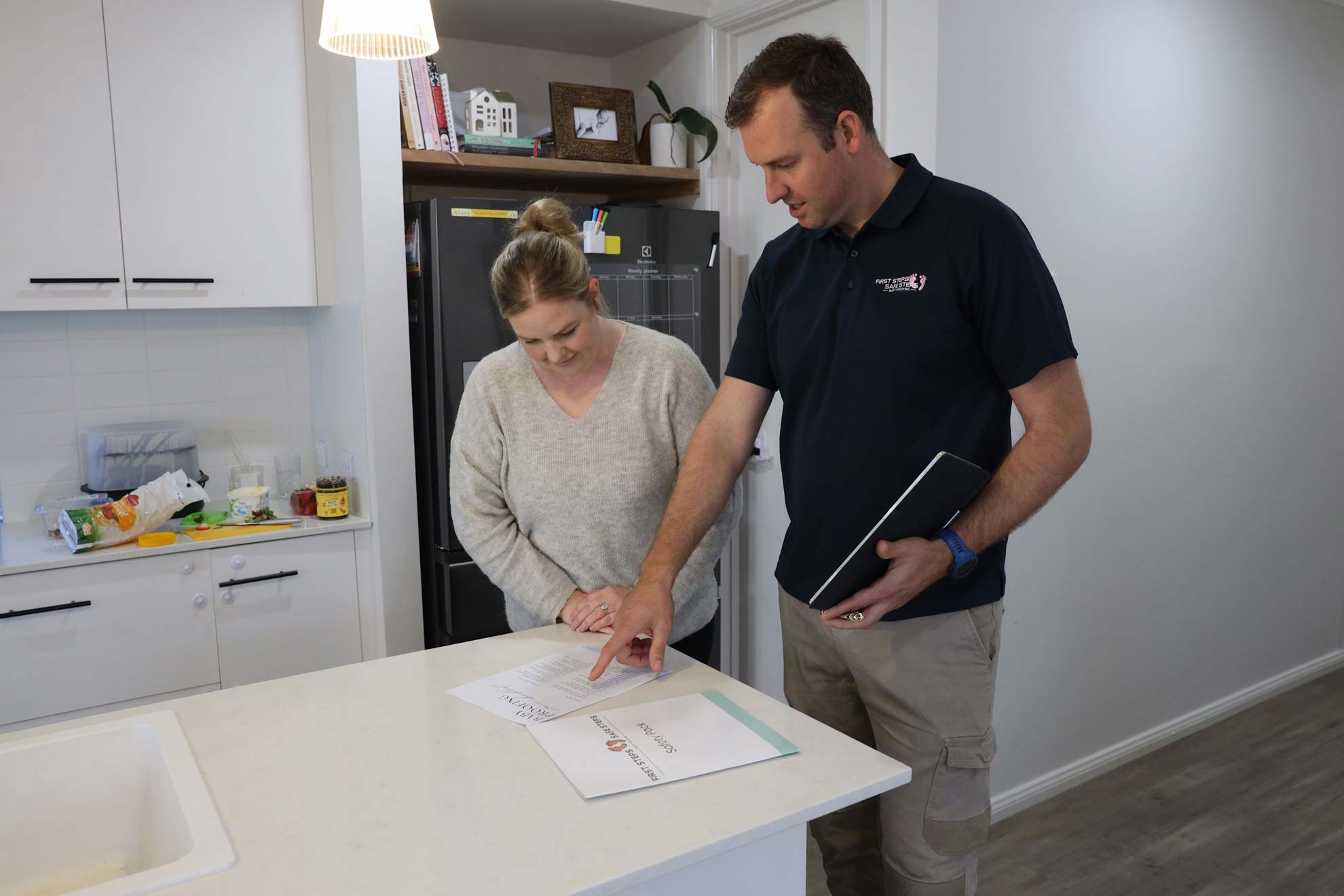
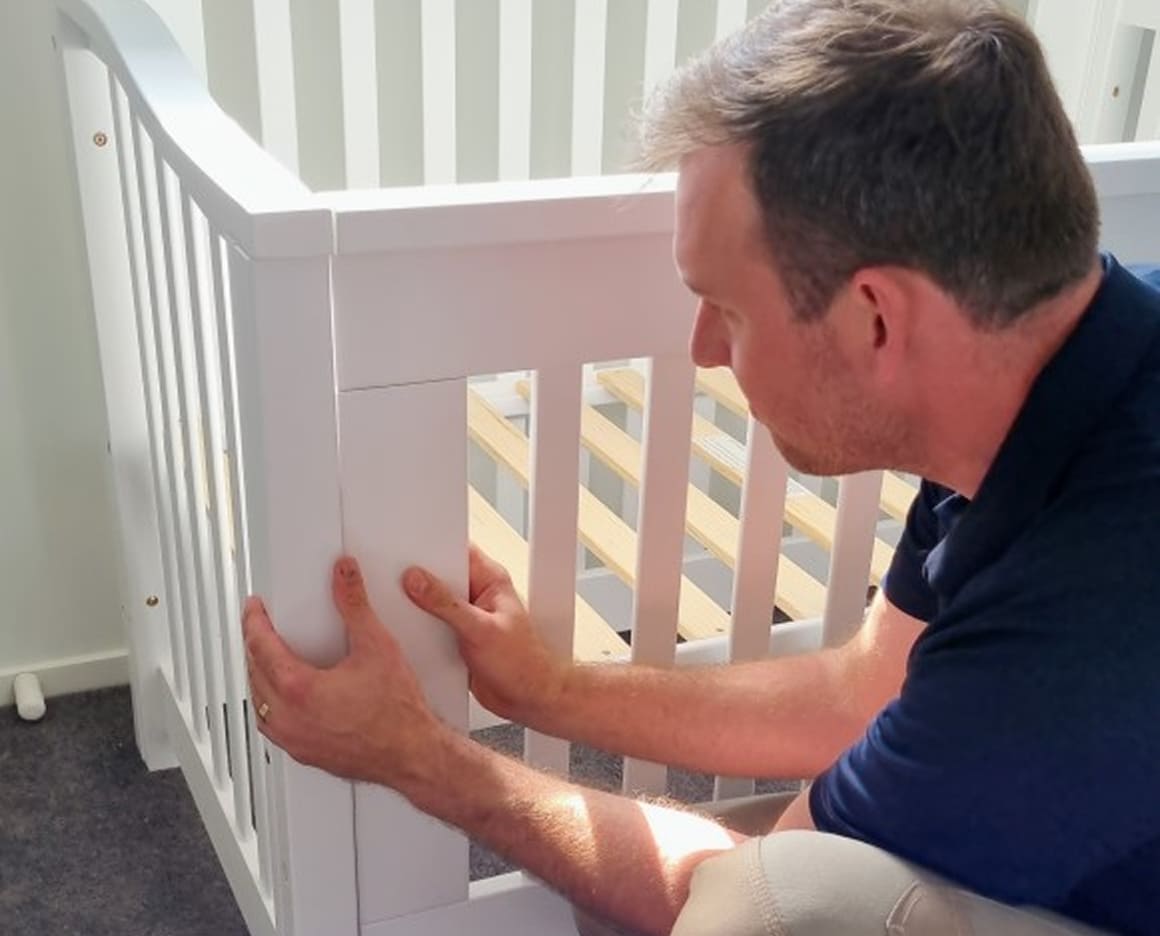
Most gate failures we are called out to fix come down to installation, not the gate itself: the wrong fixings in plasterboard, a gate fitted out of square, or a pressure gate used at the top of the stairs. A professional installer brings the right hardware, checks every gate is level and latching, and can fit a whole home in one visit.
If you would rather skip the guesswork, our team can assess your home, recommend the right gate for each space and install everything on the same day. Explore our full range of baby proofing services or book a consultation to get started.
Frequently Asked Questions (FAQs)
What is the best baby gate for the top of the stairs?
A wall mounted gate with no bottom bar that swings away from the stairs. Pressure mounted gates should never be used at the top of the stairs, as they can be pushed out and their bottom bar is a trip hazard.
How do I baby proof stairs without a wall?
Use a wall mounted gate with a banister or post mounting kit, or a custom post on the open side. Glass and wrought iron balustrades may also need Perspex panels to close gaps a child could climb through.
Should I choose a pressure mounted or wall mounted baby gate?
Wall mounted gates are the safer, longer lasting choice and are essential at the top of the stairs. Pressure mounted gates suit doorways and the bottom of the stairs where no drilling is possible.
How wide can a baby gate be?
Most standard gates fit openings of about 75 to 100cm, with extensions for a little more. Mesh retractable gates can span up to 1.4 metres, and 3 in 1 or custom gates suit wider openings.
How many baby gates do I need?
It depends on your layout. Most families start with the top and bottom of the stairs, then add gates to the kitchen, laundry or any room with hazards. A home safety consultation maps out exactly where gates are needed.
When should I install a baby gate?
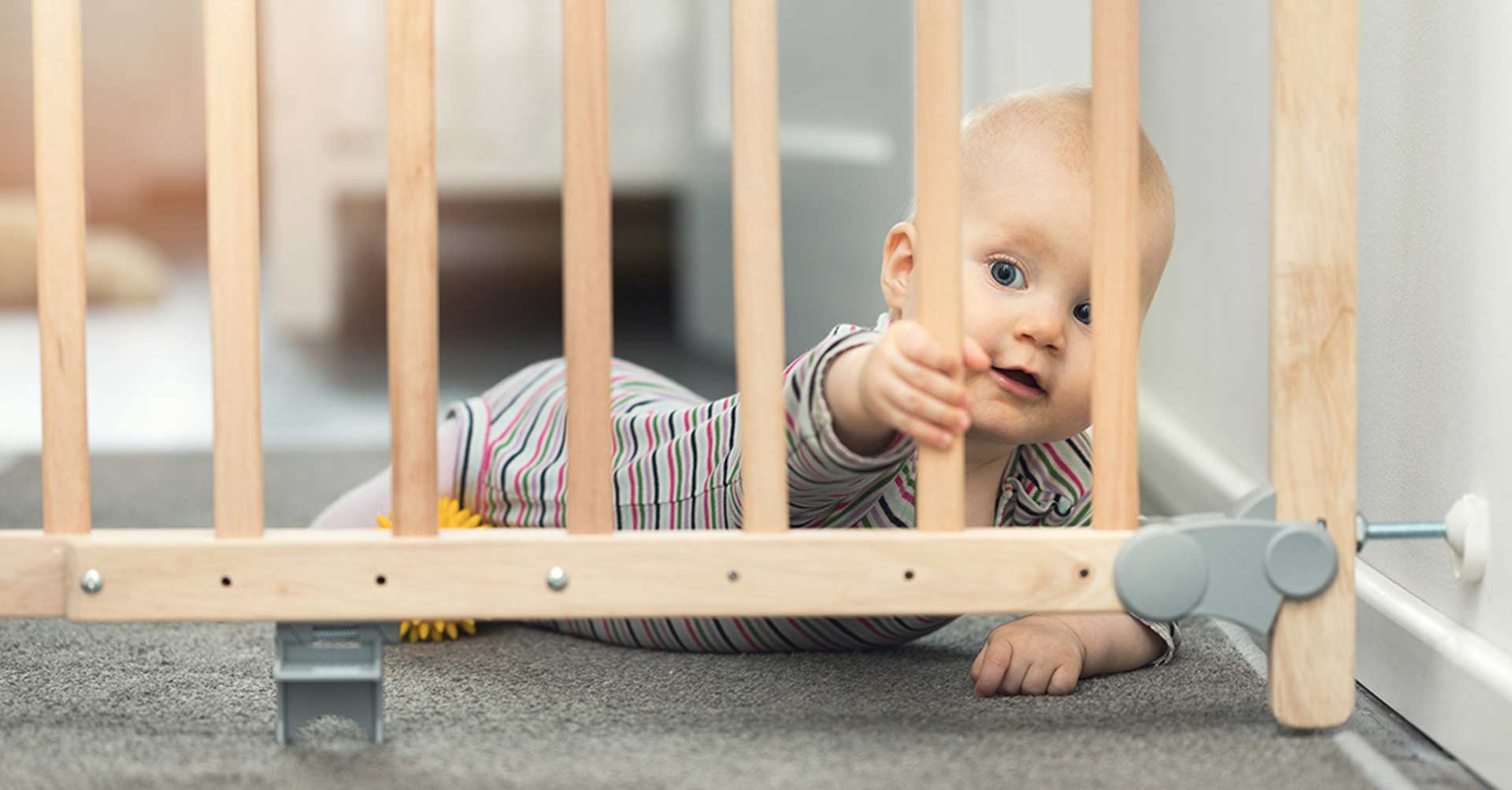
Before your baby starts crawling, usually around six months. Fitting gates early gives you time to get used to them and means they are ready before your child becomes mobile.
Can I install a baby gate in a rental in NSW?
Yes, with written permission. Installing child safety gates indoors is on the NSW list of minor changes a landlord cannot unreasonably refuse. You may need to patch any holes when you leave.