
How To Prepare for A Daycare Safety Assessment in Sydney
A compliance review is scheduled. A new room has been set up for the under-twos. A near-miss last month has prompted a review of the outdoor play area. Any of these triggers is enough reason to bring in an independent daycare safety assessment before a regulator or a parent asks a harder question.
Physical environment compliance is one of the most visible areas an assessor evaluates, and one of the easiest for busy directors to under-resource. Staff turnover, room reconfigurations, and equipment upgrades all introduce risk into an environment that was compliant six months ago. A professional daycare safety assessment in Sydney identifies where the gaps are, provides a documented report suitable for regulatory review, and installs the necessary rectifications on the same day where possible.
This guide covers what ACECQA assessors focus on under Quality Area 3, the hazards most commonly identified during independent assessments in Sydney childcare settings, and what a compliant physical environment actually looks like.
Why Quality Area 3 Is the Regulator’s Focus
Under the National Quality Standard, Quality Area 3 governs the physical environment of every approved education and care service in Australia. It sits alongside the six other quality areas, but for centre-based services it carries a disproportionate share of assessment weight because the physical environment is measurable, observable, and directly linked to child safety outcomes.
Quality Area 3 has two Standards. Standard 3.1 covers the design of the facilities, and Standard 3.2 covers how the environment is used. Underneath these sit three elements that assessors evaluate against: Element 3.1.1 (fit for purpose), Element 3.1.2 (upkeep), and Element 3.1.3 (supervision-friendly design). Related National Regulations, particularly Regulations 103 through 116, add specific requirements on premises, fencing, furniture, and equipment.
An independent assessment focuses on the elements where physical intervention makes a measurable difference: the fittings, fixtures, barriers, and equipment that determine whether the environment is genuinely safe for the age groups in care.
Standard 3.1: What Design Compliance Actually Means
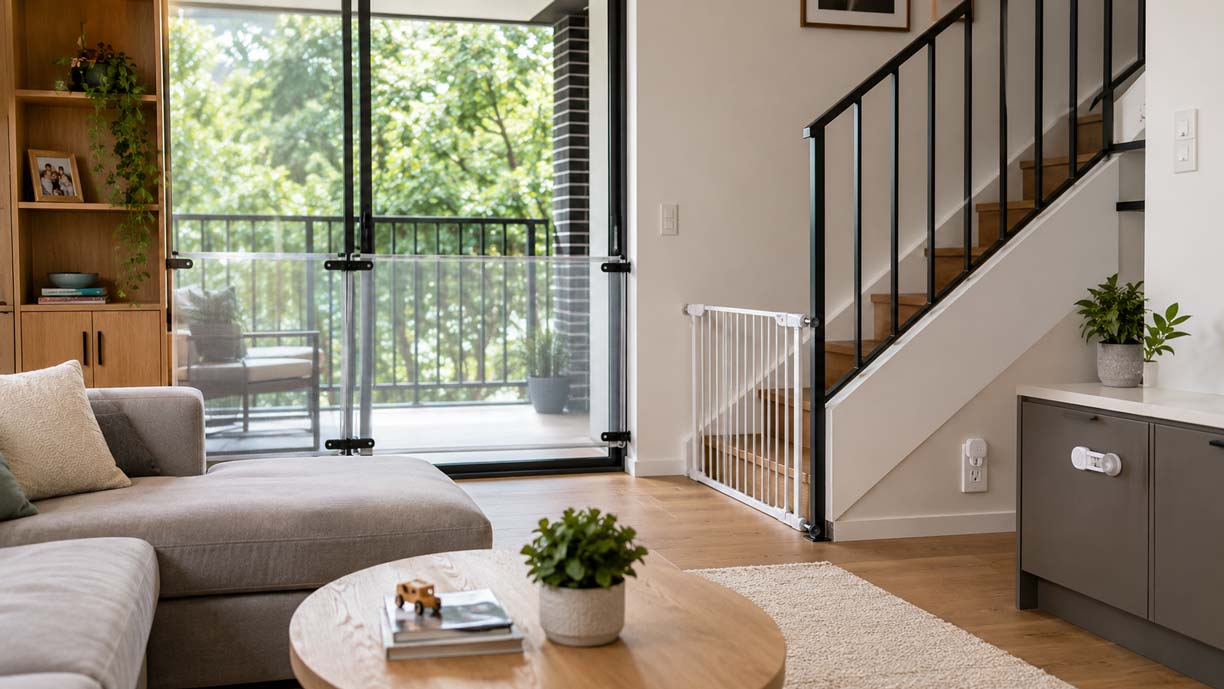
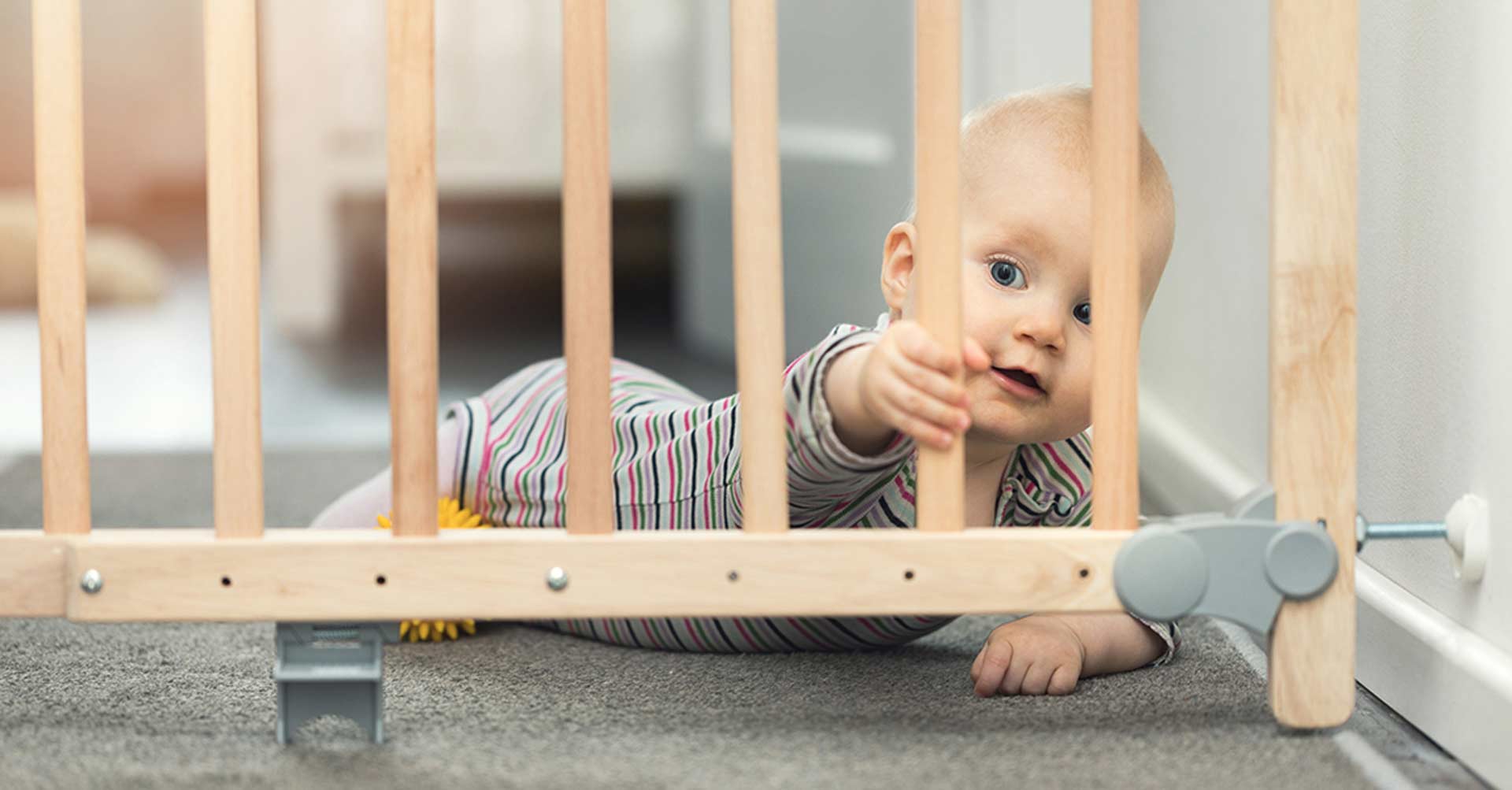
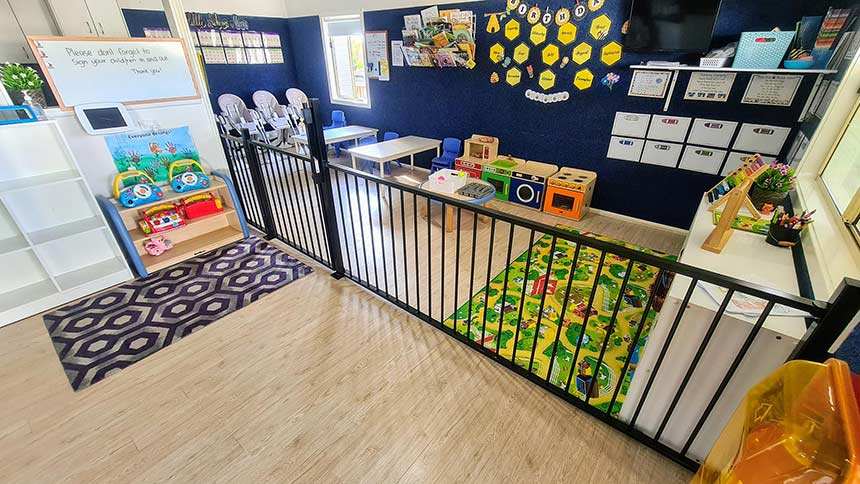
Element 3.1.1 requires that indoor and outdoor spaces, buildings, fixtures, and fittings are suitable for their purpose. In practice, this means the equipment installed is appropriate for the developmental stage of the children using the room. A pressure-mounted gate at the top of a staircase, a bookshelf without wall anchoring in a toddler room, or a window without a restrictor in a nappy-change area will all be flagged.
Element 3.1.2 requires that premises, furniture, and equipment are safe, clean, and well maintained. This is the element most often cited during rectification notices. A cracked baby gate, a loose furniture strap, or a wobbly change table meets the threshold for a Standard 3.1 breach even when the rest of the room is compliant.
Element 3.1.3 requires that premises are designed to facilitate supervision. This is subtle and often missed. A play area with visual blind spots, a bathroom door that cannot be seen from the primary supervision position, or an outdoor space with obscured corners all present a risk under this element.
Book an Independent Assessment Before the Next Review
If your service is preparing for an assessment and rating visit, has recently reconfigured a room, or has had a physical safety incident, an independent daycare safety assessment in Sydney provides documented evidence of due diligence. First Steps Safe Steps offers same-week appointments and delivers an itemised report suitable for regulator or parent review. Request a daycare safety assessment or contact Mitchell directly to discuss your specific facility.
The Hazards Independent Assessments Most Commonly Identify
Across the daycare assessments completed in Sydney over the past twelve months, the same hazards appear repeatedly. None of these are unusual, and most were compliant when the facility was first opened. They emerge over time as furniture is added, staff change, and equipment ages.
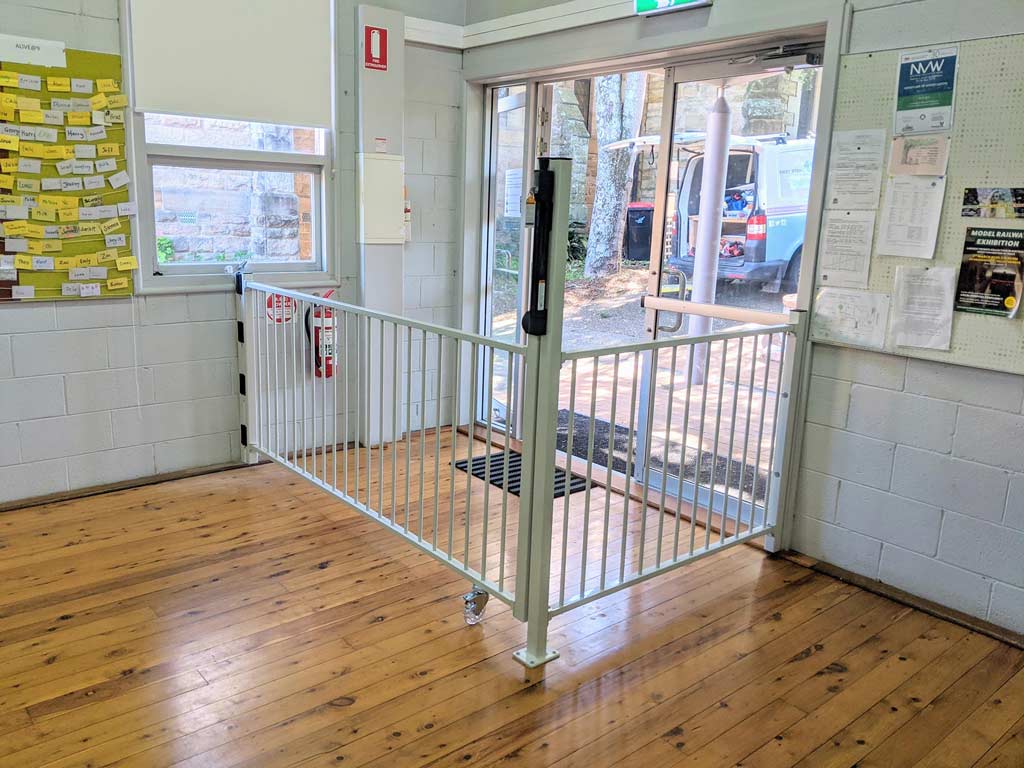
- Unrestricted stair access: A gate that is pressure-mounted at the top of stairs, or a gate that a determined toddler can operate, breaches Standard 3.1
- Unanchored freestanding furniture: Bookshelves, change tables, and storage units without wall anchoring, particularly in rooms for children who are climbing
- Window fall risk: Windows without restrictors in rooms accessed by children under four, or windows with restrictors that have been disabled during warmer months
- Blind cord access: Older window blinds with looped cords within reach of a cot or play mat, which are non-compliant under current Australian Standards
- Outdoor fencing gaps: Perimeter fencing with gaps wider than 100mm, or fencing height insufficient for the age of children using the space
- Chemical storage access: Cleaning products, medications, or hazardous items stored in cupboards without child-resistant locks
- Cracked or non-compliant equipment: Playground surfaces, cot rails, high-chair harnesses, or door lever locks that have degraded and no longer meet safety requirements
- Supervision blind spots: Room configurations where line-of-sight to the toilet, nappy-change area, or nap area is compromised
A comprehensive assessment identifies every one of these in a documented walk-through, provides a rectification quote, and installs the required work on the same day where the hazard is critical.
Why Documentation Matters as Much as Rectification
For a compliance review, physical rectification is only half of what a regulator needs to see. The other half is documented evidence that hazards have been identified, assessed, and addressed by an appropriately credentialled provider.
An itemised assessment report provides that evidence. It shows the regulator, and any parent who asks, that the service has conducted an independent review, has identified specific physical risks, and has engaged a qualified installer to rectify them. For services preparing for reassessment, or services that have recently had an incident, this documentation is often the difference between a Meeting NQS rating and a Working Toward NQS rating on Quality Area 3.
Choose an assessor with verifiable credentials in child safety installation, not a general handyman or maintenance contractor. Regulators recognise the difference, and so do parents.
When to Book an Independent Daycare Safety Assessment
There are four triggers that consistently prompt Sydney childcare services to book an independent assessment.
The first is a scheduled assessment and rating visit. Booking an independent walk-through six to eight weeks before the assessment provides enough time to rectify any identified hazards without pressure.
The second is a physical incident or near-miss. Even a minor incident should trigger an independent review of the room or area involved, and often the whole facility.
The third is a room reconfiguration or new age group. Moving from three-to-five to under-twos, or setting up a new baby room, changes the physical environment requirements significantly. A room compliant for four-year-olds is rarely compliant for one-year-olds without adjustment.
The fourth is a change of educational leader or centre director. New leadership often triggers a fresh review of physical environment standards, and an independent assessment provides an objective baseline.
What a First Steps Safe Steps Daycare Assessment Covers
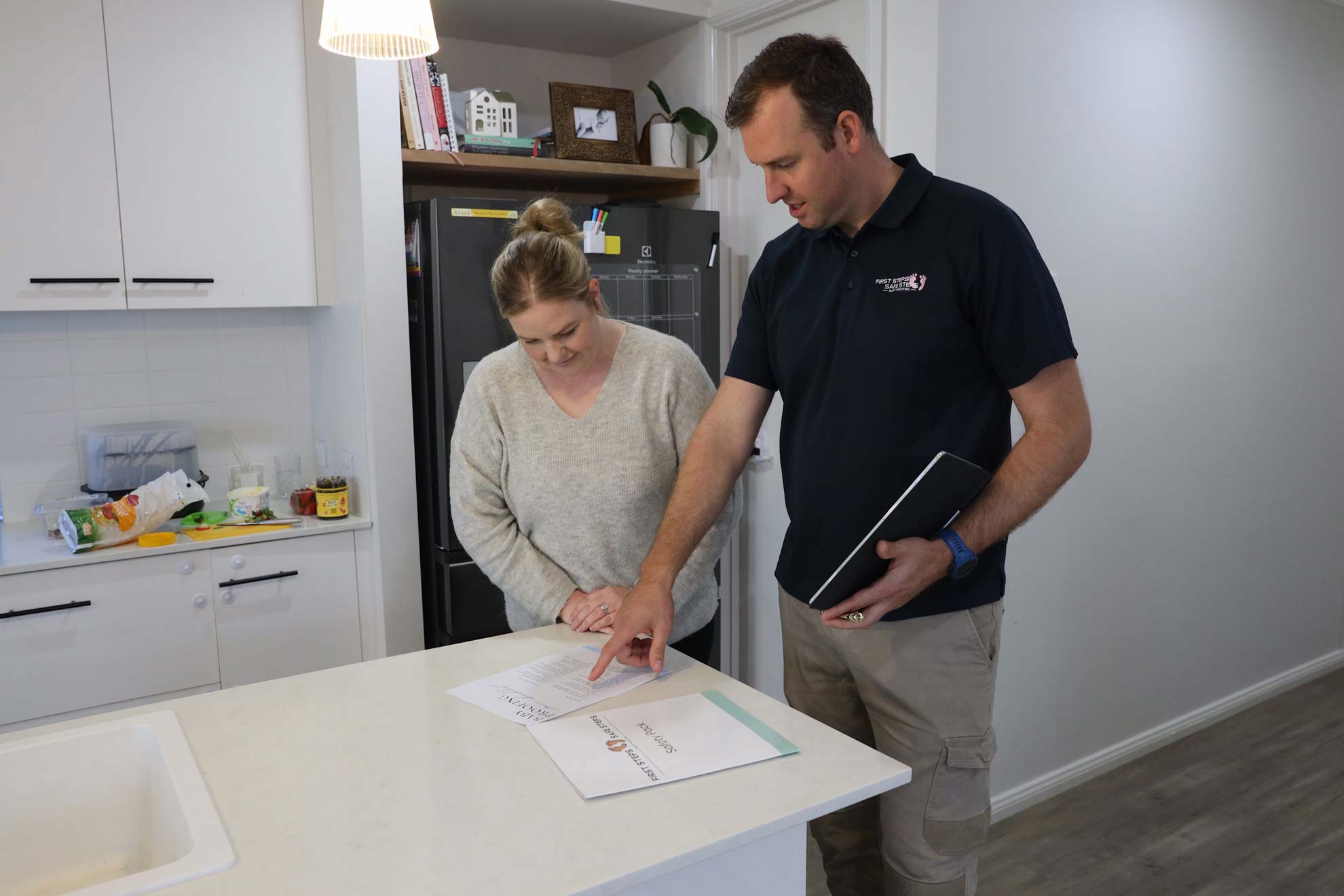
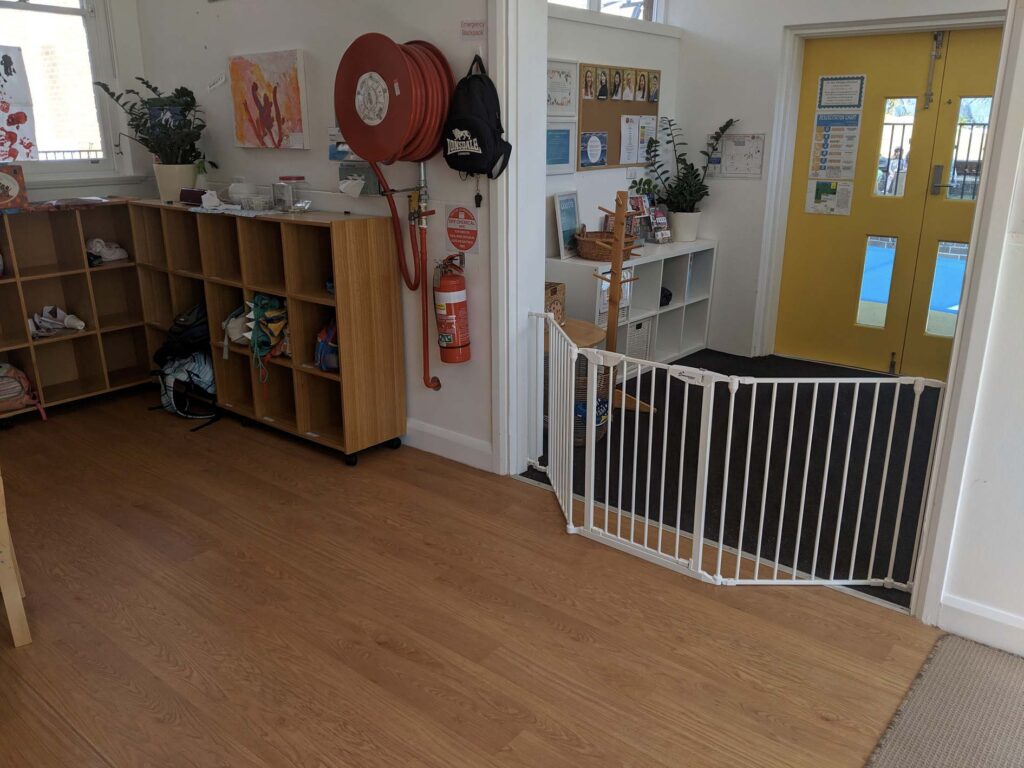
A daycare safety assessment with First Steps Safe Steps covers every element of the physical environment under Quality Area 3: entry and exit points, playrooms across all age groups, storage and food preparation areas, bathroom and nappy-change facilities, outdoor play areas, and any transition zones between spaces. Each hazard is documented against the relevant Standard and element, with a rectification recommendation and cost.
Mitchell has been installing child safety equipment in Sydney homes and childcare settings since 2014. First Steps Safe Steps is the Recommended Baby Safety Installer for DreamBaby, a partner of Rescueblue (Australia’s leading paediatric first aid provider), and the 2025 INPAA Industry Awards winner for Tried and True Service. These are the credentials assessors and parents recognise as evidence of professional competence in child safety installation.
Same-week appointments are available across greater Sydney. Book a daycare safety assessment or request an itemised quote for your facility.
FAQs: Daycare Safety Assessments and ACECQA Compliance in Sydney
What does a daycare safety assessment cover?
A professional daycare safety assessment covers the full physical environment against Quality Area 3 of the National Quality Standard: entry points, playrooms, bathrooms, nappy-change areas, kitchen and food preparation spaces, outdoor areas, and supervision sightlines. Each identified hazard is documented against the relevant NQS element with a rectification recommendation. An itemised report is provided at the end of the assessment.
How long does an assessment take?
Most assessments take between 90 minutes and three hours depending on facility size, number of rooms, and outdoor area complexity. Same-day rectification of critical hazards is available where the required equipment is on the installer’s vehicle.
When should I book an independent assessment?
Six to eight weeks before a scheduled assessment and rating visit is ideal. It provides enough time to rectify identified hazards without pressure. Assessments should also be triggered by any physical incident, near-miss, room reconfiguration, or change of centre leadership.
Is a private assessment recognised by ACECQA assessors?
An independent physical safety assessment is not a formal ACECQA rating, but a documented report from a credentialled installer is recognised as evidence of due diligence when regulators evaluate Standard 3.1 compliance. It demonstrates that the service has actively identified and addressed physical hazards.
What credentials should I look for in a daycare safety assessor?
Look for verifiable affiliations with established child safety brands and industry bodies. First Steps Safe Steps is the Recommended Baby Safety Installer for DreamBaby, a partner of Rescueblue, and the 2025 INPAA Industry Awards winner for Tried and True Service. Avoid general handymen or maintenance contractors for compliance-critical work.
Can rectification happen on the same day as the assessment?
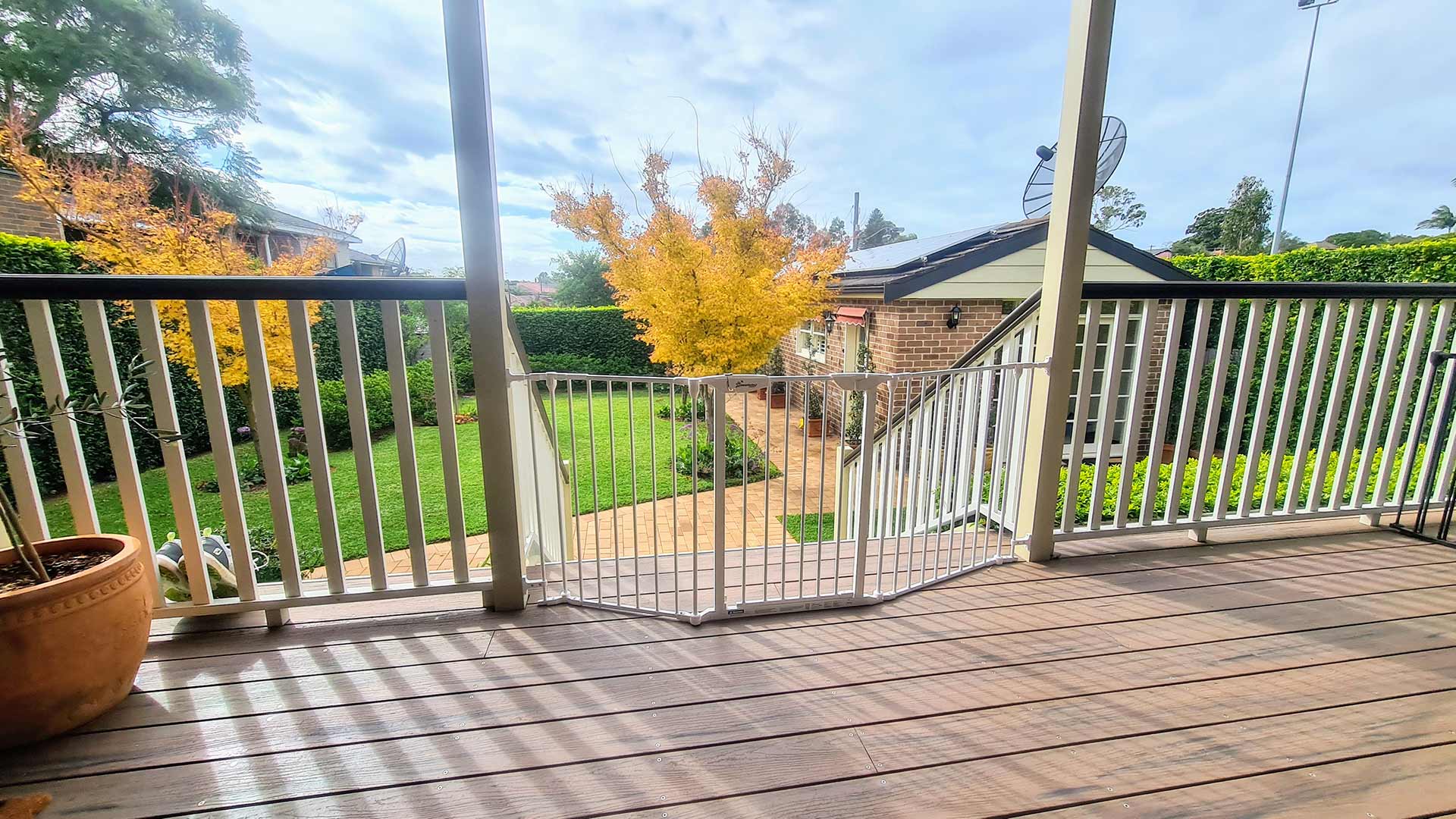
Yes for most standard installations, including baby gates, furniture anchors, window restrictors, cupboard locks, and outlet plugs. Custom installations such as Perspex barriers or bespoke gates may require a follow-up visit. The itemised quote provided at the assessment specifies which items can be installed same-day.
How much does a daycare safety assessment cost?
Assessment pricing depends on facility size and complexity. Contact First Steps Safe Steps directly for a quote specific to your service. The cost of the assessment is typically credited toward any rectification work undertaken on the same visit.
Do you provide documentation for regulator or parent review?
Yes. Every assessment includes an itemised report that documents identified hazards, references the relevant NQS Standard or element, and specifies the rectification undertaken. The report is suitable for presentation to ACECQA assessors or concerned parents.