
The moment you realise your baby can reach the oven door handle or your toddler has figured out how to push a chair to the counter, babyproofing shifts from “something to think about” to “something to do right now.” But here’s the question that stops many parents: Should you tackle this yourself or bring in professionals?
The answer depends on your specific situation: your home’s layout, your budget, your confidence with tools, and how much time you have before your little one discovers their next dangerous skill. This guide breaks down what parents actually need to know about DIY versus professional babyproofing, without the sales pitch.
Understanding What DIY Baby Proofing Really Means
DIY babyproofing has evolved significantly. Modern products rely on adhesive mounting systems that create strong bonds without damaging walls or furniture. These systems withstand determined toddlers while remaining removable when needed (perfect for renters and homeowners alike).
However, DIY success depends on following instructions precisely. That adhesive furniture anchor only works if you’ve properly cleaned the surface, applied even pressure, and waited the recommended curing time. The corner protector only stays attached if you haven’t tried repositioning it multiple times.
Installing safety equipment yourself means you’re intimately familiar with how it works and its limitations. For some parents, this feels empowering. For others, it creates anxiety about whether everything is truly secure.
When DIY Makes Perfect Sense
Certain babyproofing tasks are genuinely straightforward:
- Outlet covers– Simply push plugs into sockets, no skills required
- Cabinet and drawer locks– Adhesive mounting needs only clean surfaces and basic instructions
- Corner protectors– Simple installation with a wide margin for error
- Door stoppers– Straightforward placement to prevent finger pinches
- Appliance locks– Adhesive-based solutions for fridges and dishwashers
DIY also makes sense when you’re working with a limited budget and have time to invest. Babyproofing products aren’t expensive, but professional installation can double or triple your total investment. The flexibility of DIY appeals to many families, you can work at your own pace, install items as your child reaches relevant developmental stages, and adjust based on your child’s actual behaviour.
When Professional Installation & Babyproofing Is Worth the Investment
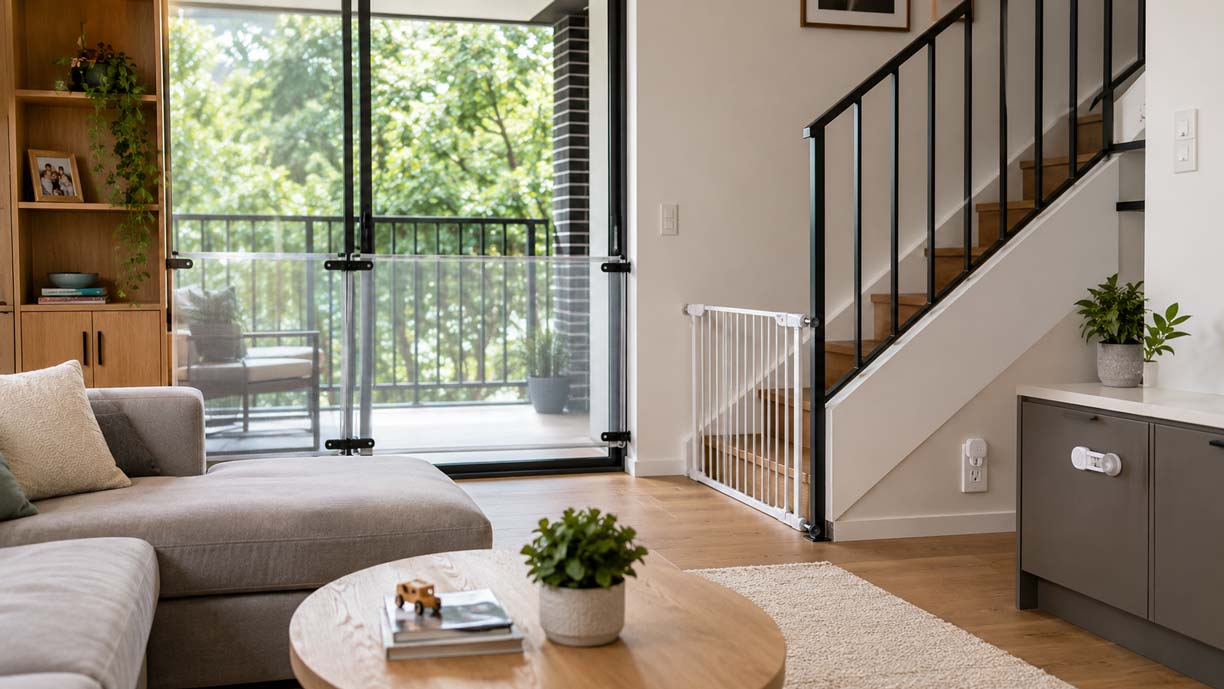
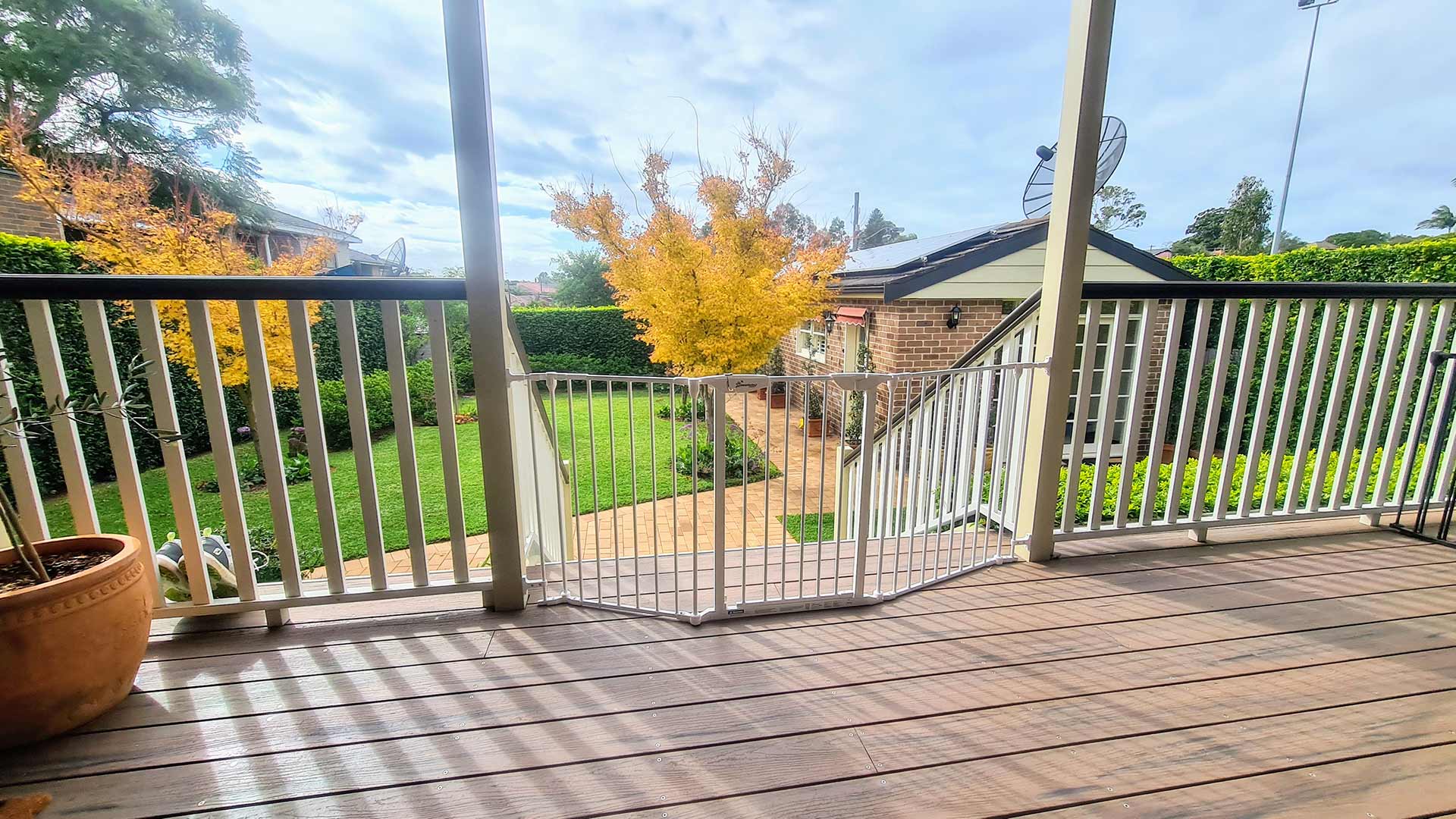
Certain installations genuinely benefit from Professional Babyproofing expertise. Baby gates at the top of stairs represent serious fall risks if installed incorrectly. Pressure-mounted gates can seem secure until a determined toddler leans against them at just the right angle, while hardware-mounted gates require proper wall anchoring.
Professional installers bring experience beyond product instructions. They’ve seen countless homes and know how children actually interact with safety devices. This real-world knowledge helps identify risks parents might overlook.
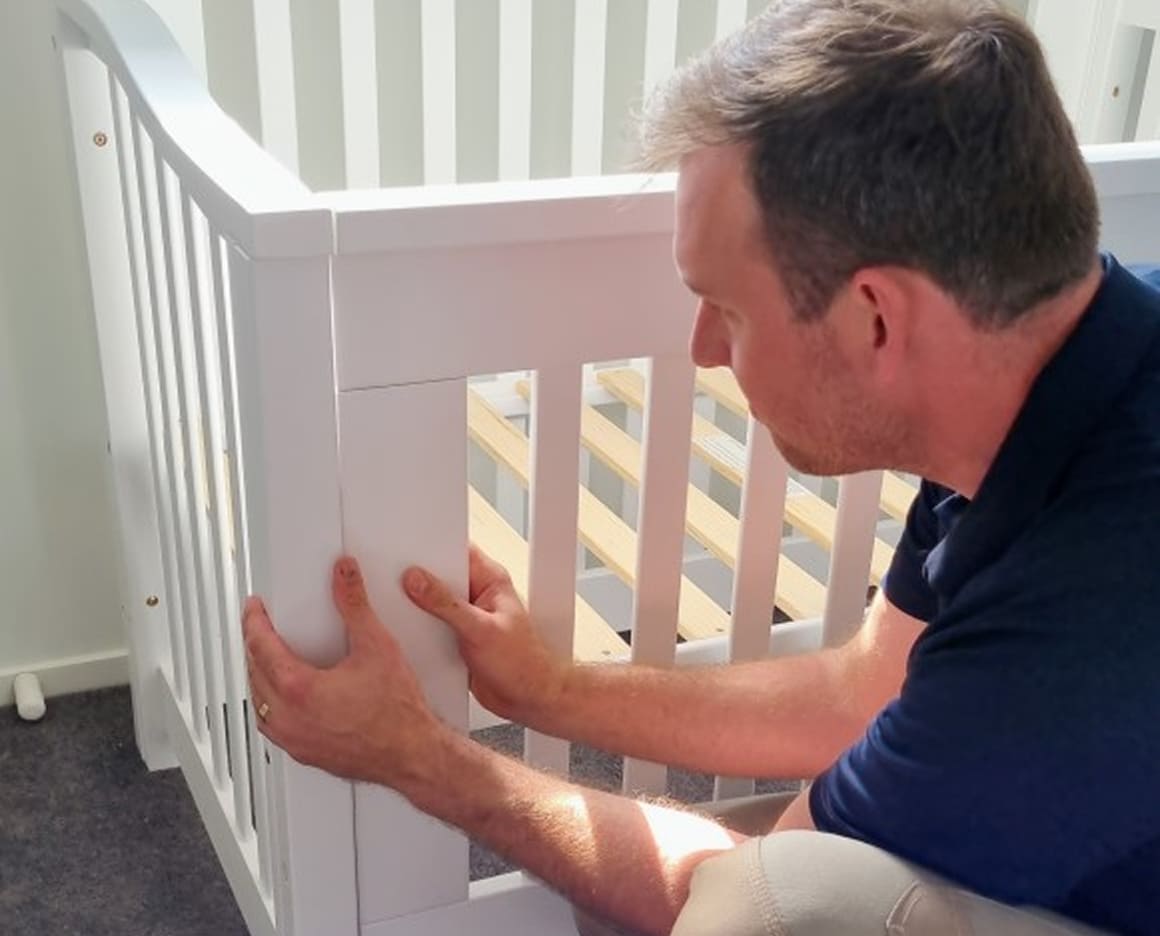
Furniture anchoring is another area where professional installation provides meaningful value. Finding wall studs, selecting appropriate hardware for your wall type, and ensuring proper tension requires experience. An improperly installed furniture anchor creates false confidence: you think your dresser is secured when it’s actually just as dangerous.
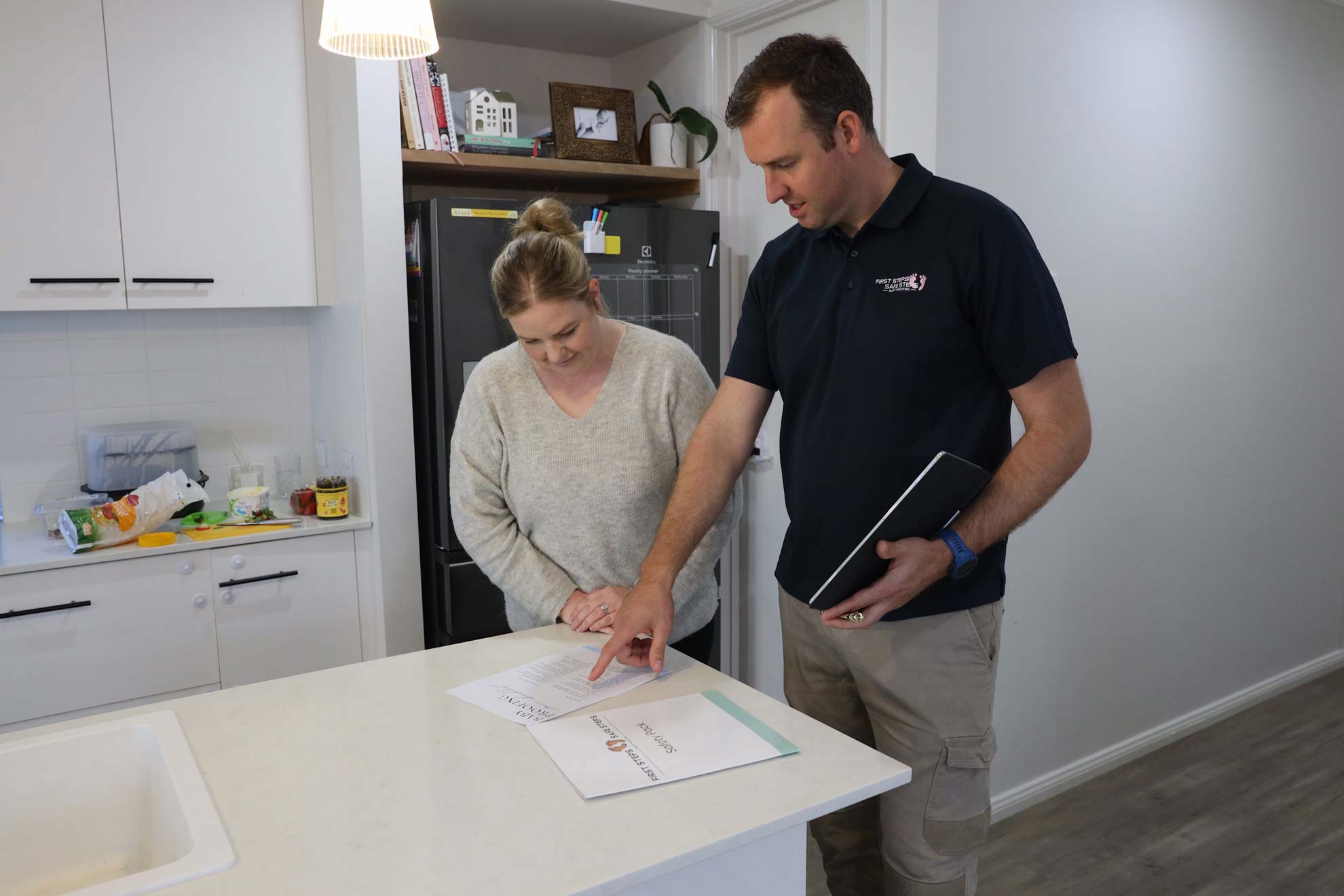
The consultation aspect often proves more valuable than the installation itself. Experienced specialists can walk through your home and point out hazards you haven’t considered. For Sydney families, services like First Steps Safe Steps bring expertise around local housing types and common architectural features in Australian homes.
The Hybrid Approach Most Families Actually Use
Most families use a combination of DIY and professional installation rather than choosing one exclusively. A typical hybrid approach involves DIY installation of outlet covers, cabinet locks, and corner protectors, while professional installation handles baby gates, furniture anchoring for heavy pieces, and installations requiring drilling.
This approach works well when you start with DIY but realise you need backup. Perhaps you’ve installed most items successfully, but can’t figure out how to properly secure your television. Professional services can supplement your DIY efforts rather than replacing them entirely.
The hybrid model makes financial sense too. By handling simple installations yourself, you reduce labour costs while benefiting from professional expertise where it matters most. Many services offer consultation visits separate from full installation, allowing expert advice for specific challenging installations.
Real Cost Comparisons: DIY vs. Professional Babyproofing
DIY baby proofing using quality products typically costs between $200-$400 for comprehensive home coverage. Purchasing bundled packs rather than individual items reduces costs by twenty to thirty per cent while ensuring you have everything needed.
Professional installation in Sydney typically start from $250 depending on home size and complexity.
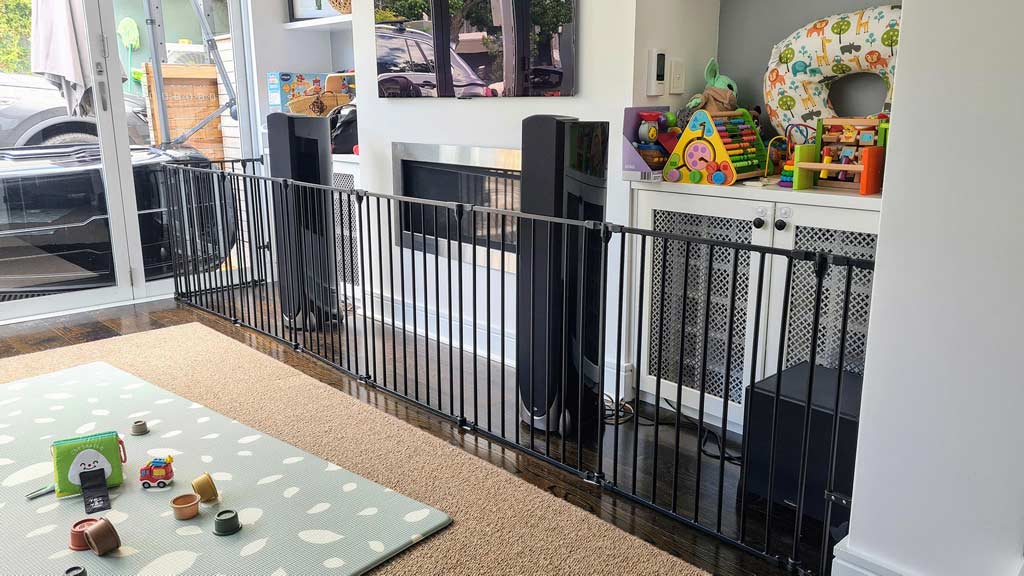
However, cost comparisons should factor in time investment. DIY baby proofing takes considerably longer: researching products, waiting for delivery, finding installation time, and potentially troubleshooting issues. For families where both parents work full time, time savings may justify additional cost.
Consider also the cost of mistakes. An improperly installed baby gate that fails could result in a fall down stairs. While we can’t put a precise dollar value on preventing injuries, professional installation for critical safety items becomes quite reasonable when viewed through this lens.
What About Rental Properties?
Renters face unique considerations. Most rental agreements prohibit drilling holes, which eliminates certain options but doesn’t eliminate the need for baby proofing.
Adhesive based solutions work well in rentals because they’re removable without damage when following the manufacturer’s instructions. Pressure-mounted baby gates appeal to renters, but never use them at the top of stairs. Hardware-mounted gates are necessary there, requiring landlord approval.
Professional baby proofing services familiar with rental properties navigate these constraints effectively. They know which products work best without risking your bond. If you’re renting in Sydney, a professional assessment helps you understand which installations require landlord approval versus which fall within your rights under NSW tenancy laws.
The Time Factor Nobody Talks About
Time is perhaps the most underestimated factor. Parents think, “I can install this myself over the weekend” without accounting for trying to install baby proofing while managing a curious baby or toddler.
Professional installation typically takes four to six hours for comprehensive home baby proofing. DIY installation often stretches over days or weeks as you work in small increments around your child’s schedule, plus research time for choosing products and ensuring compatibility.
The stress of incomplete baby proofing shouldn’t be underestimated. Knowing you need to finish installing safety equipment, but not finding time, creates ongoing anxiety. Many parents who initially choose DIY eventually hire professionals simply to eliminate this mental burden.
Making Your Decision
Choosing between DIY and professional baby proofing requires an honest assessment of your situation. Consider your actual available time, genuine confidence with installation tasks, and budget reality, including the value of your time.
Ask yourself which installations feel straightforward versus which create uncertainty. You might feel confident installing cabinet locks, but uncertain about baby gates. That’s perfect for the hybrid approach.
If you’re unsure, starting with a professional consultation provides clarity. Many services offer assessment visits, identifying hazards and recommending solutions. You can then decide which items to install yourself and which to have professionally installed.
For Sydney families, First Steps Safe Steps offers both consultation and professional installation, allowing you to choose the support level matching your needs and budget. Whether you want comprehensive professional installation or expert advice to guide your DIY efforts, having access to experienced professionals provides peace of mind.
The goal isn’t creating a completely risk-free environment (that’s impossible). The goal is to reduce serious injury risks to manageable levels while maintaining a comfortable home. Whether you achieve that through DIY, professional installation, or a combination matters less than ensuring the result actually works.
Frequently Asked Questions
What baby proofing tasks should I never attempt myself?
Baby gates at the top of stairs should always be professionally installed using hardware mounting. Furniture anchoring for extremely heavy pieces also benefits from professional installation to ensure proper wall stud location and appropriate hardware selection for your wall type.
Can I baby proof a rental property without losing my bond?
Yes, using adhesive-based products designed for rentals allows comprehensive babyproofing without drilling. Modern adhesive systems remove cleanly when following instructions. For staircase gates requiring hardware mounting, get landlord approval and budget for professional patching when you move.
How long does it take to DIY baby proof an entire home?
Most parents spend 8-12 hours spread over several days, including research and installation. Professional installation completes the same work in 4-6 hours in a single visit, making the time difference substantial for busy families.
What if I start DIY and realise I need professional help?
This is extremely common. Most professional services will supplement DIY work, focusing on challenging installations or providing expert verification. Be upfront about what you’ve installed, professionals can assess whether your DIY work is adequate or needs adjustment.
Are there government standards for babyproofing products in Australia?
Baby gates must meet AS/NZS 4178:2004, while other products follow consumer safety requirements under Australian Consumer Law. Kidsafe Australia provides guidance on product safety. Professional installers typically work with certified products and understand compliance requirements.
When should I babyproof, before the baby arrives or after they become mobile?
The ideal timing is shortly before your baby becomes mobile (around 4-6 months). However, baby proofing evolves with development. You’ll add measures as your child progresses from crawling to walking to climbing. Phased baby proofing matching abilities makes more sense than comprehensive installation months early.
Will professional installers customise solutions for my specific home?
Reputable services like First Steps Safe Steps assess your home’s specific layout, hazards, and your child’s developmental stage to recommend tailored solutions. They consider your architecture, furniture placement, and family routines rather than applying one size fits all approaches.